

Amazon has announced two major milestones in its robotics and artificial intelligence initiatives: the deployment of its one millionth robot and the launch of DeepFleet, a generative AI foundation model designed to optimize its global fleet of robots.
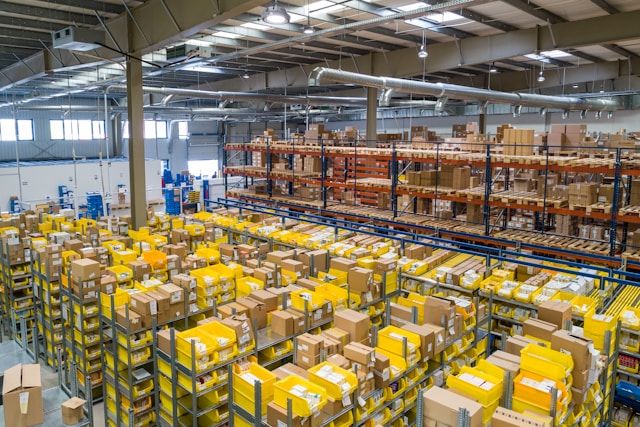
The one millionth robot, delivered to a fulfillment center in Japan, joins a network of over 300 facilities worldwide, reinforcing Amazon’s position as the world’s largest manufacturer and operator of mobile robotics. Since introducing robotics to its warehouses in 2012, Amazon’s fleet has evolved from simple shelf-moving robots to advanced autonomous systems like Hercules, Pegasus, and Proteus—robots that assist employees by handling heavy lifting and repetitive tasks while improving operational safety and efficiency.
The newly launched DeepFleet AI model is built to function as an intelligent traffic management system for Amazon’s robotic fleet, coordinating robot movements across fulfillment centers to reduce congestion and optimize paths. By leveraging extensive data on inventory flow and using AWS technologies such as Amazon SageMaker, DeepFleet is projected to improve robot travel time by 10%, enabling faster processing of customer orders, reduced operational costs, and lower energy usage.
DeepFleet’s learning capabilities allow it to continually refine how robots work together, driving ongoing efficiency improvements. Amazon emphasized that DeepFleet enables more products to be stored closer to customers, which translates to quicker deliveries and cost savings.
Alongside these technological advances, Amazon highlighted its commitment to workforce development. The company noted it has upskilled over 700,000 employees since 2019 through training programs focused on working with advanced technologies. At its newest fulfillment center in Shreveport, Louisiana, the deployment of advanced robotics has increased demand for employees in reliability, maintenance, and engineering roles by 30%.
Amazon’s approach to robotics and AI balances innovation with practical benefits. By manufacturing robots domestically and collaborating with local suppliers, Amazon maintains a tight feedback loop between designers, manufacturers, and employees, ensuring continuous improvement and quality.
These developments underscore Amazon’s vision of integrating AI and robotics to enhance fulfillment and delivery operations, paving the way for faster service, reduced costs, improved workplace safety, and expanded career opportunities for employees. The company plans to continue evolving DeepFleet, with future updates expected to unlock further efficiencies and expand product selection closer to customers.
Quick Take
Amazon’s simultaneous milestones—the millionth robot deployment and the introduction of DeepFleet—signal a turning point in AI-driven logistics. By combining advanced robotics with a self-learning AI traffic system, Amazon is redefining what fulfillment operations can achieve. These innovations promise not only faster deliveries and lower costs but also safer, more engaging work for employees, highlighting a future where AI and human roles evolve together.